The Real Cost of a "Cheap" Property on Indore's Outskirts
Every buyer eventually stumbles on it — that one listing priced noticeably lower than everything else nearby, sitting somewhere just past the edge of the city's developed zones. It's tempting. The math looks generous. And almost every time, the price tag is telling only half the story.
I've seen this play out enough times to recognize the pattern. The property itself isn't the problem. It's everything the low price quietly doesn't include.
The commute you didn't budget for
A plot fifteen minutes further from the main road doesn't sound like much on paper. In practice, it can mean an extra hour a day, every day, for years. That's not a cost that shows up in a brochure, but it's real, and it compounds.
Infrastructure that isn't there yet
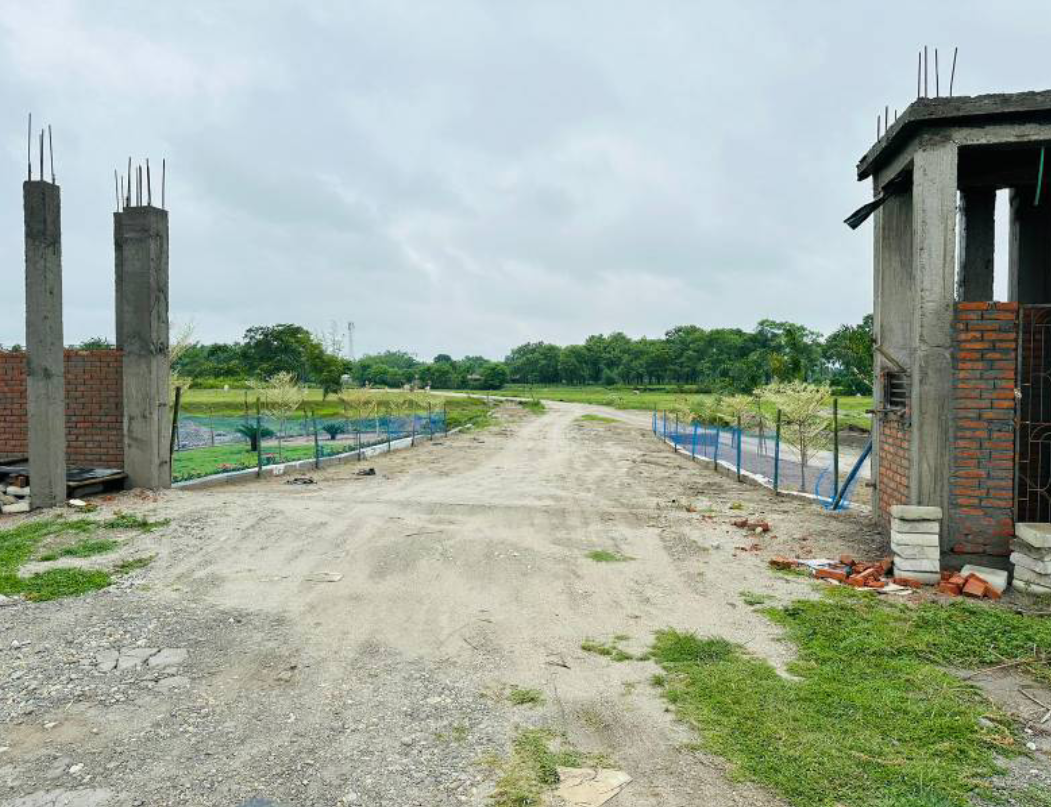
Cheaper land on the outskirts is often cheaper precisely because roads, drainage, or reliable water supply haven't fully arrived yet. Sometimes they will, and the early buyer wins big. Sometimes they take far longer than expected, and the early buyer waits — and waits.
The NA conversion trap
A surprising number of "affordable" outskirt properties are agricultural land quietly sold with a promise of future conversion. That promise isn't a guarantee. Buyers who skip verifying the land's actual zoning status sometimes discover, years later, that construction was never legally possible in the first place.
Resale becomes a longer game
A well-located property in an established locality sells itself. An outskirt property, no matter how good the underlying land, needs the area to develop first before buyers show real interest. That can mean sitting on an asset for years longer than planned if your timeline changes.
When cheap actually is smart
None of this means outskirt land is a bad investment — some of Indore's strongest long-term returns have come from buyers who bought early in areas that later became the city's next growth corridor. The difference between a smart early bet and an expensive mistake usually comes down to one thing: whether the buyer did the homework on zoning, infrastructure timelines, and realistic resale expectations before signing anything.
Cheap isn't the wrong choice. Cheap without asking why is.